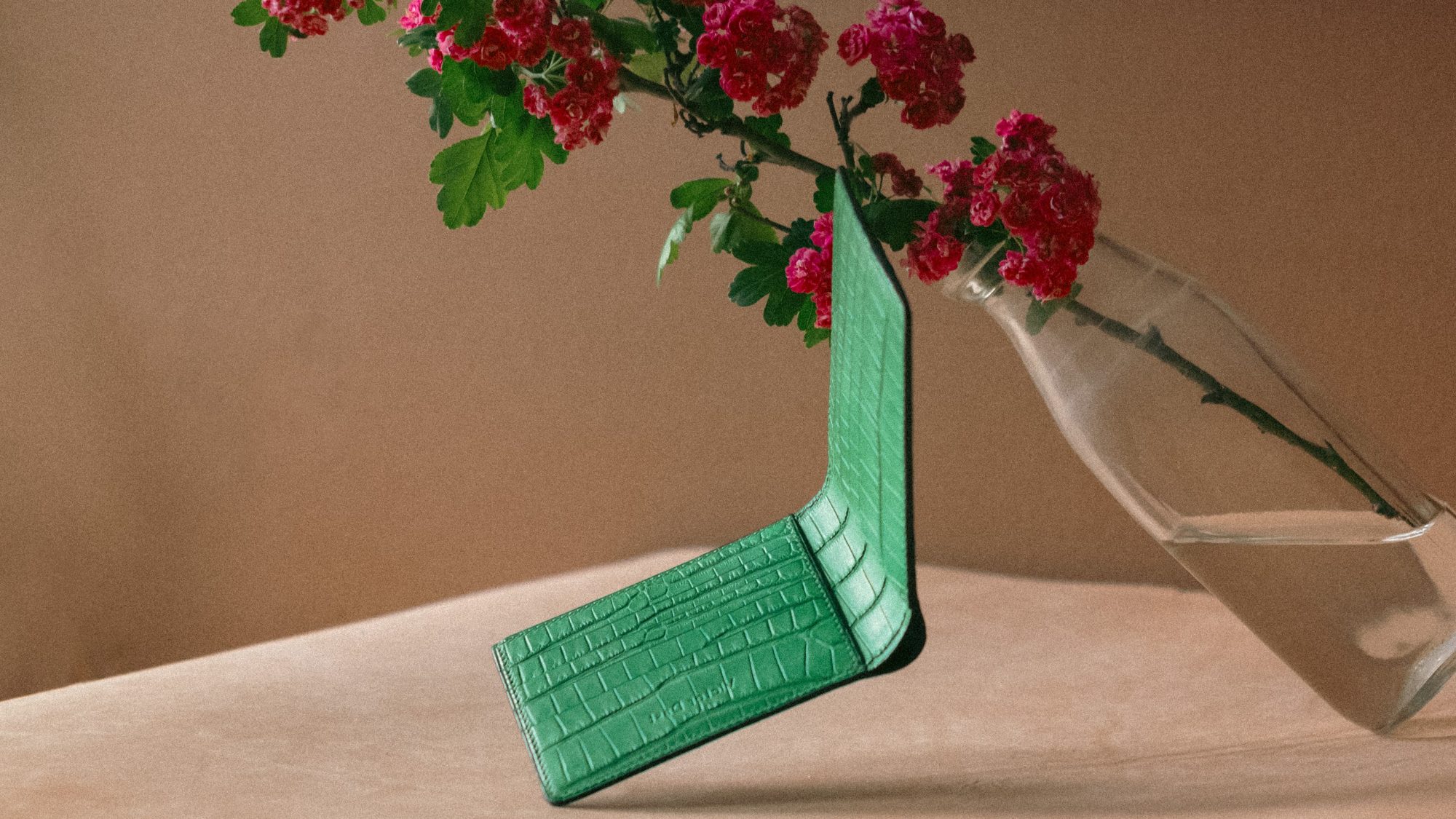
Green alligator wallet
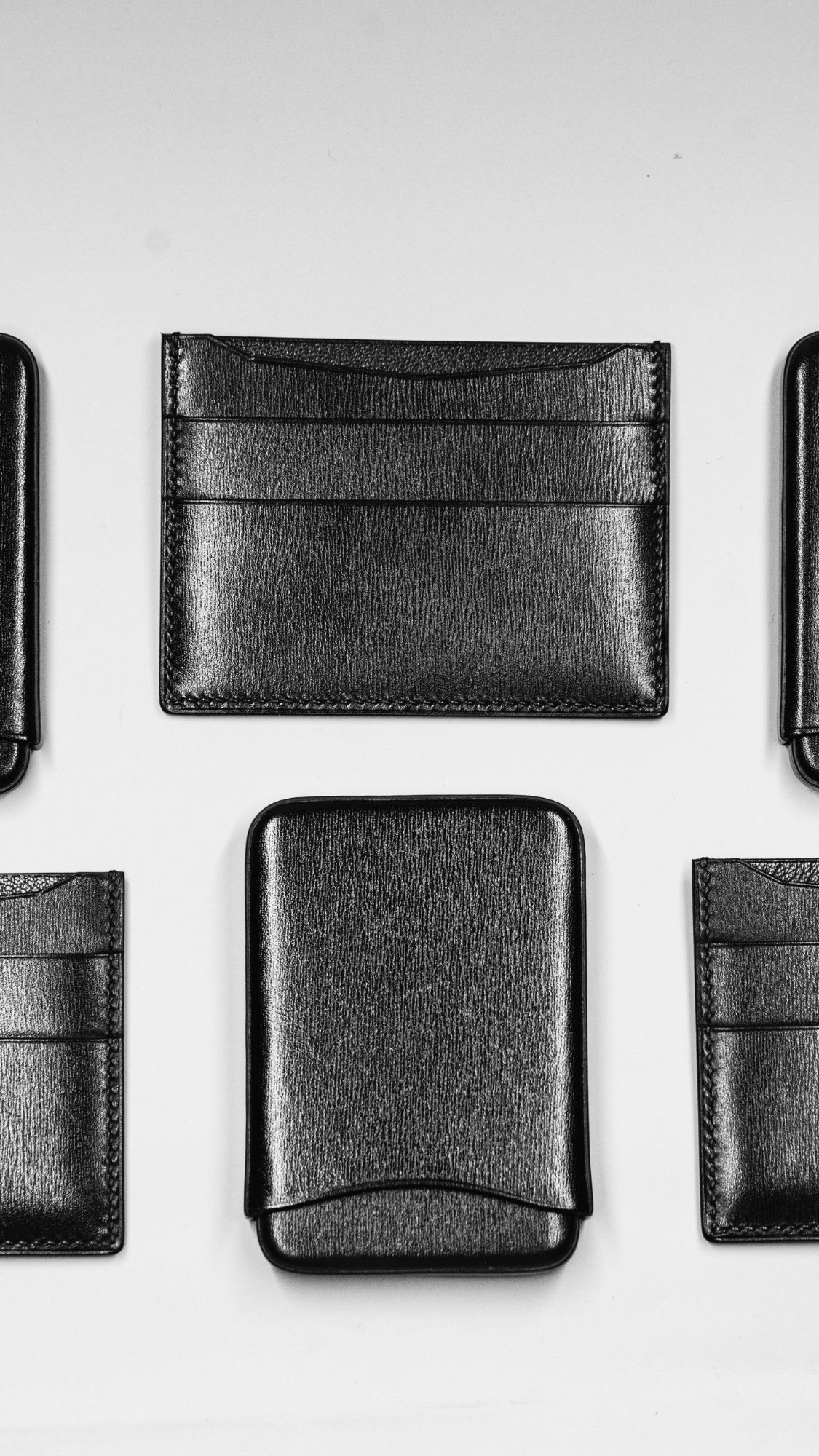
Box calfskin card case and card holders
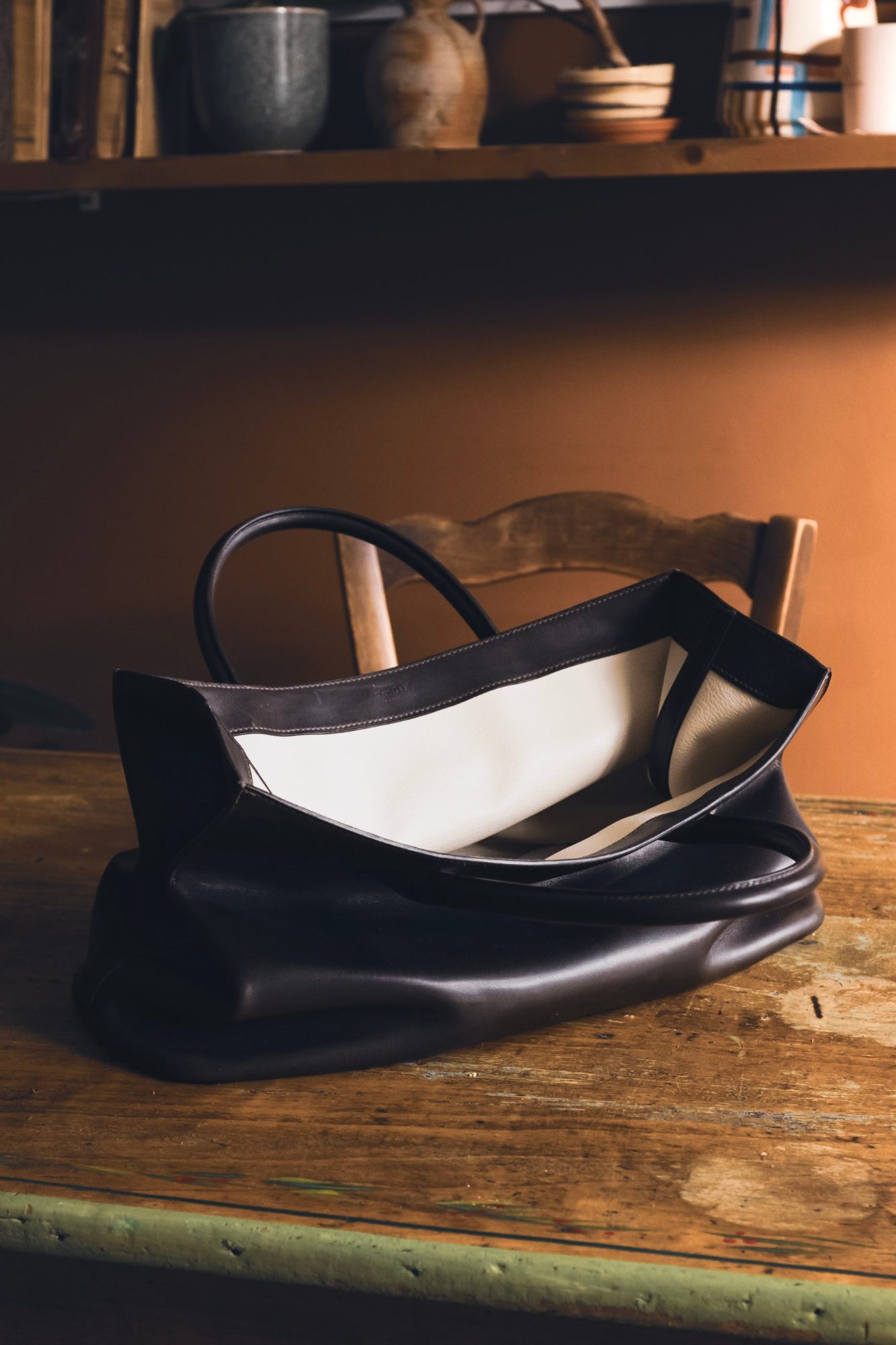
Tote bag
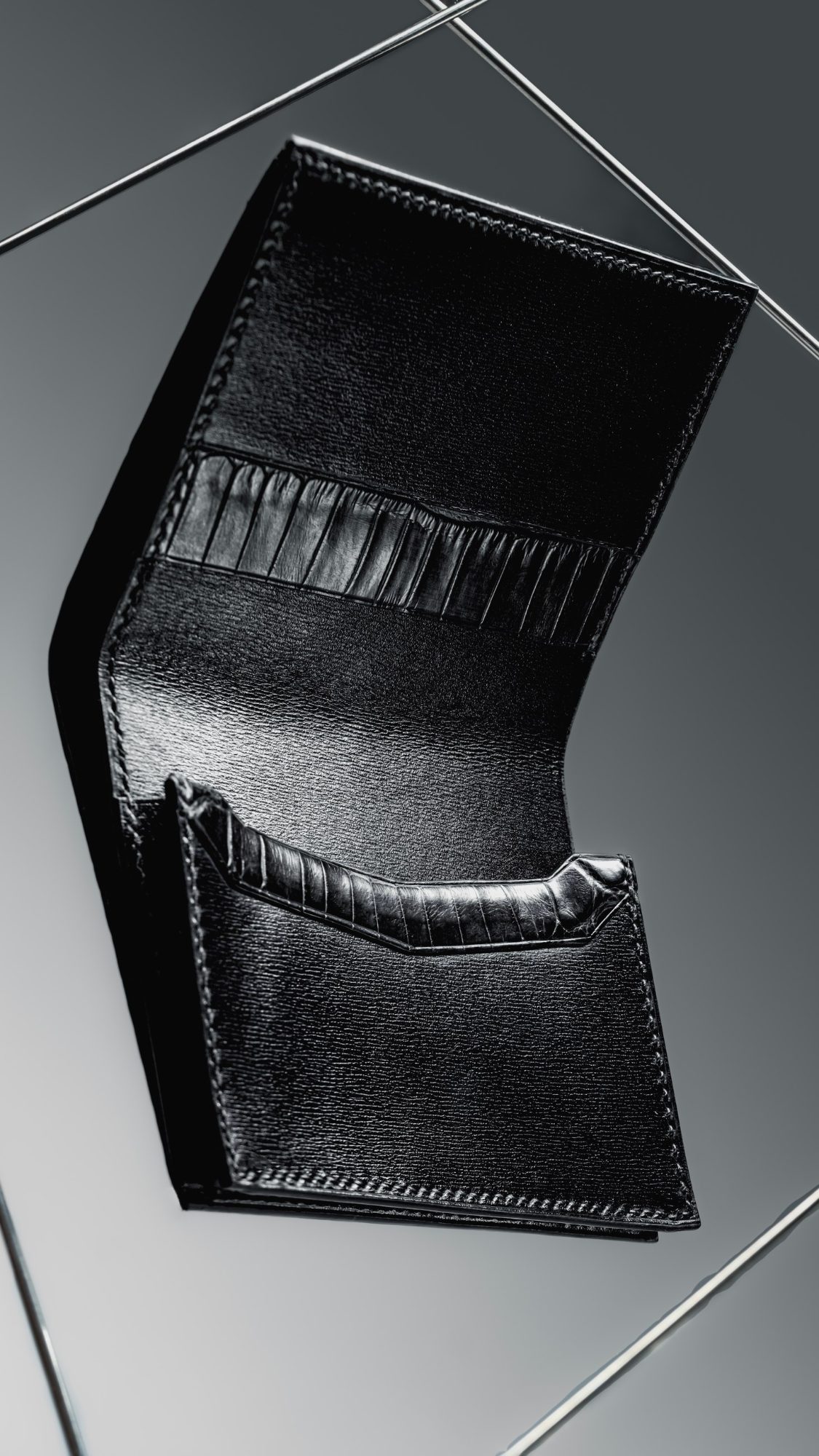
Black wallet
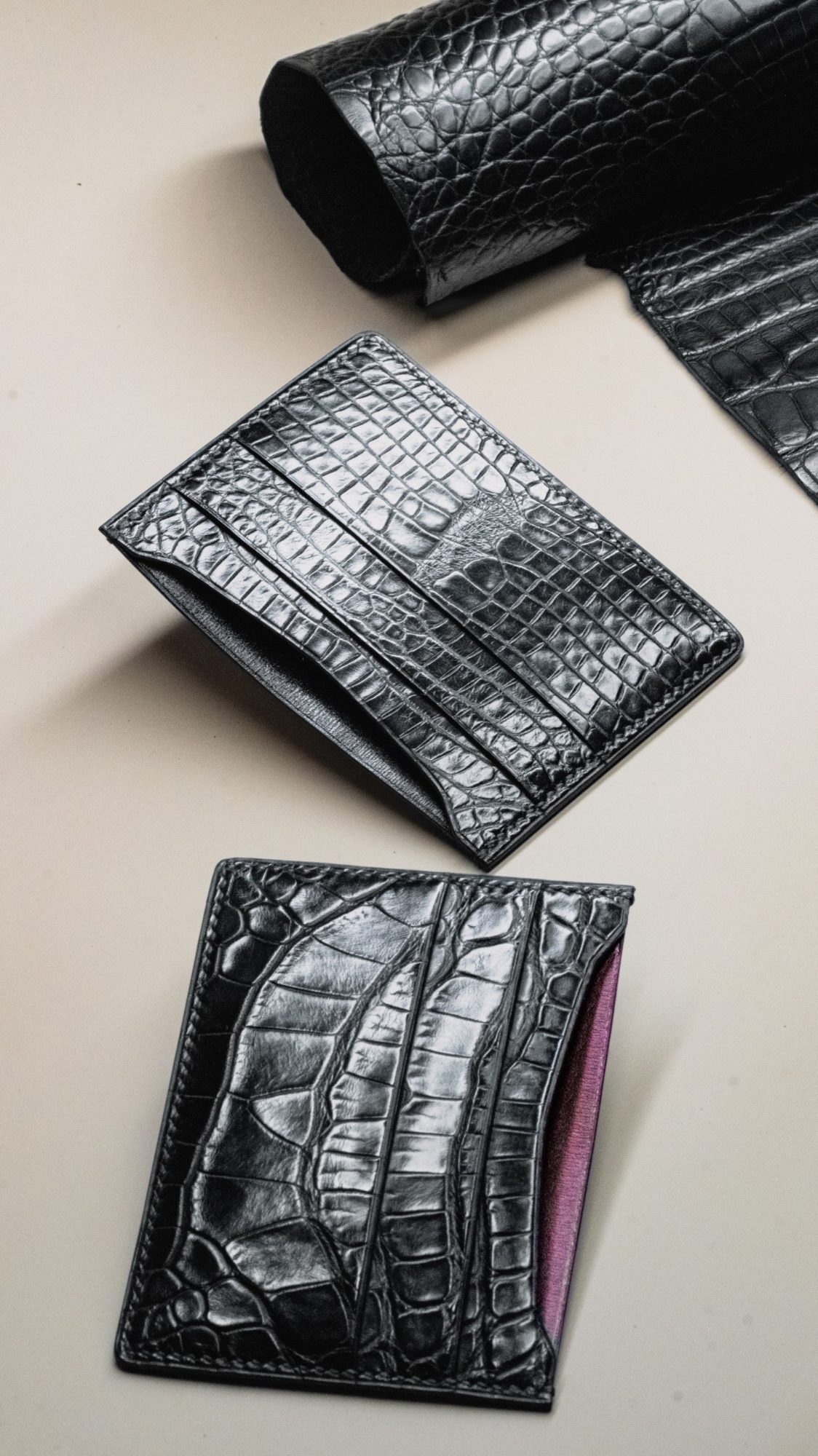
Card holders
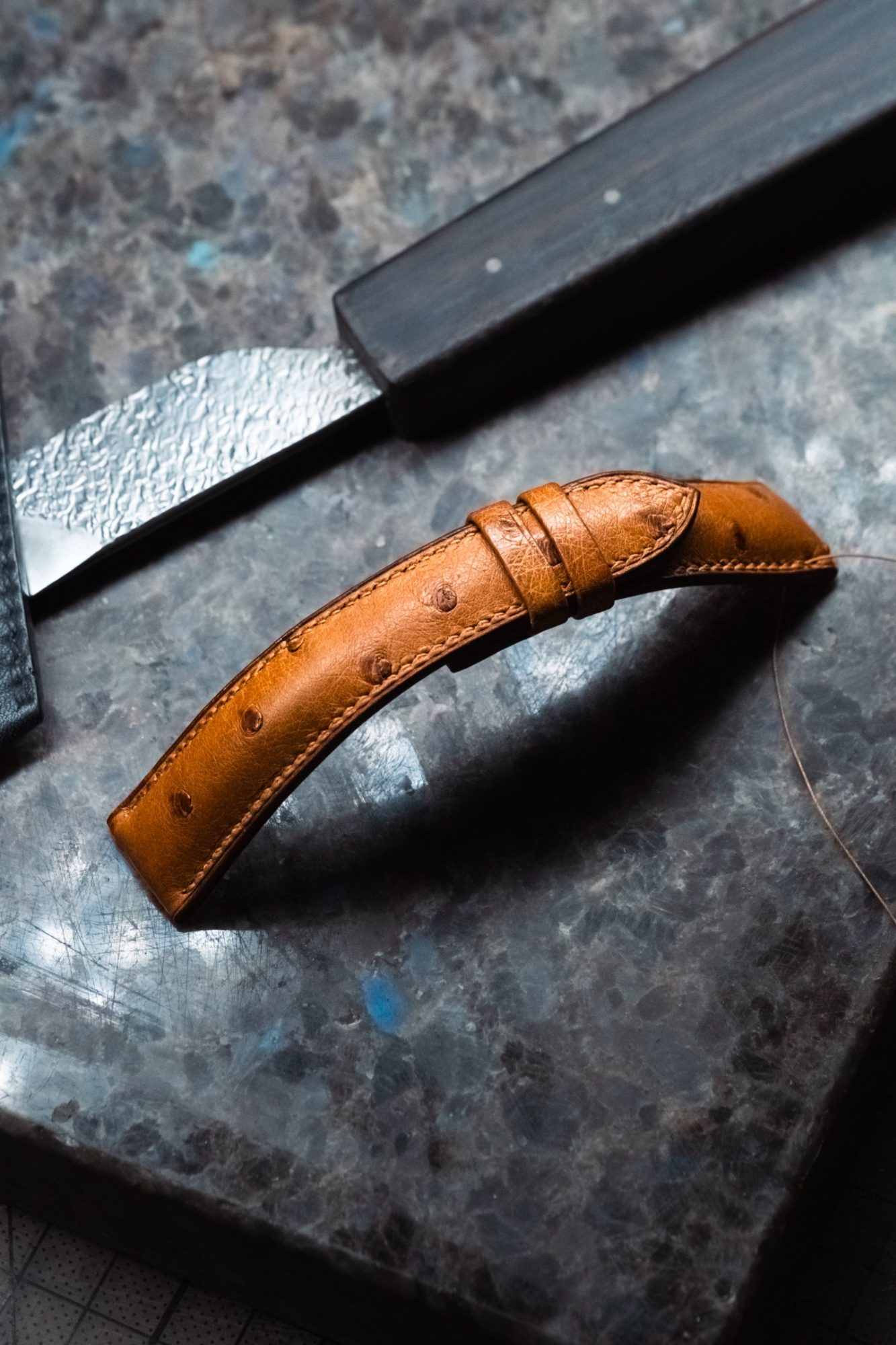
Ostrich watch strap
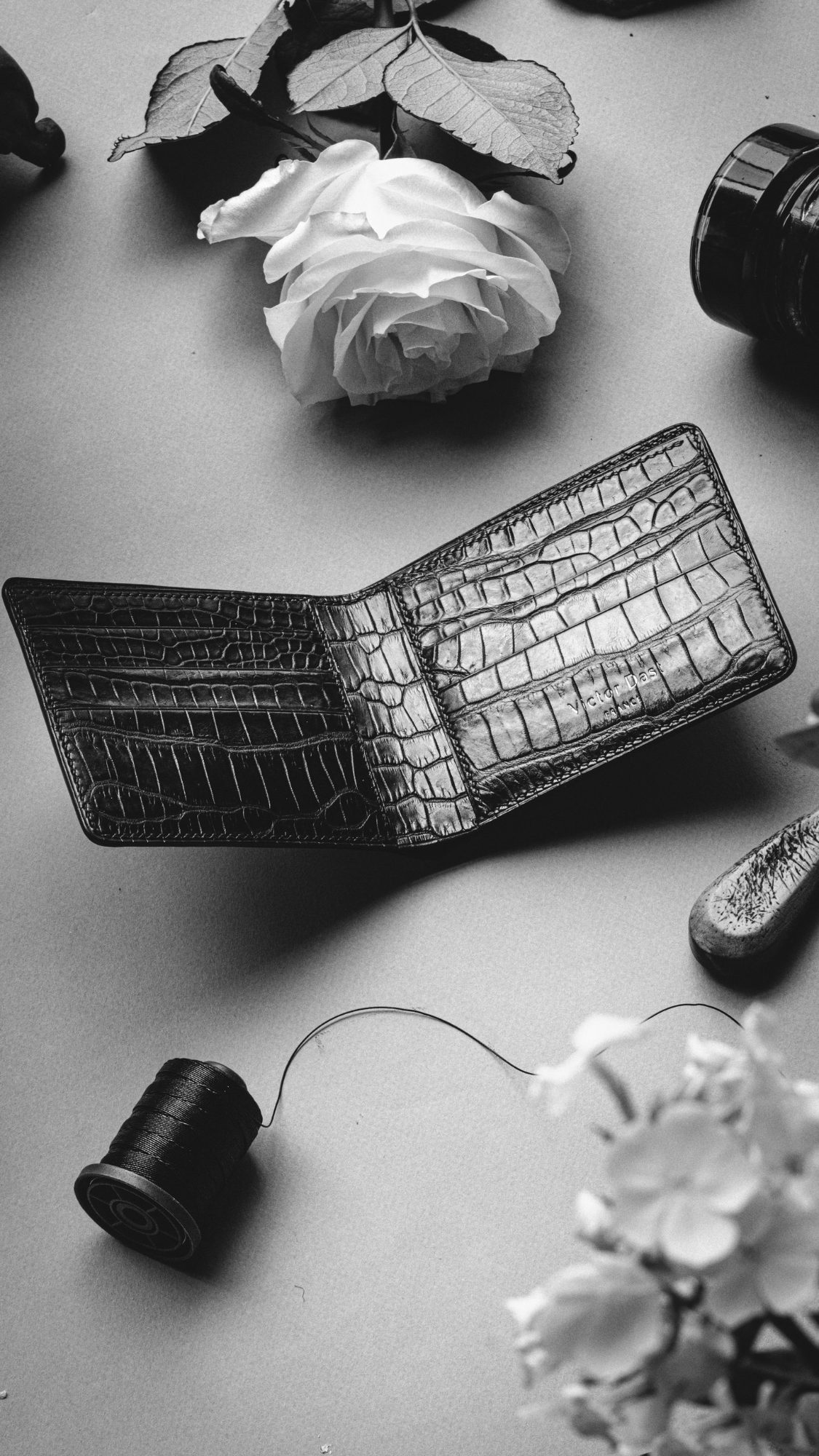
Wallet — composition
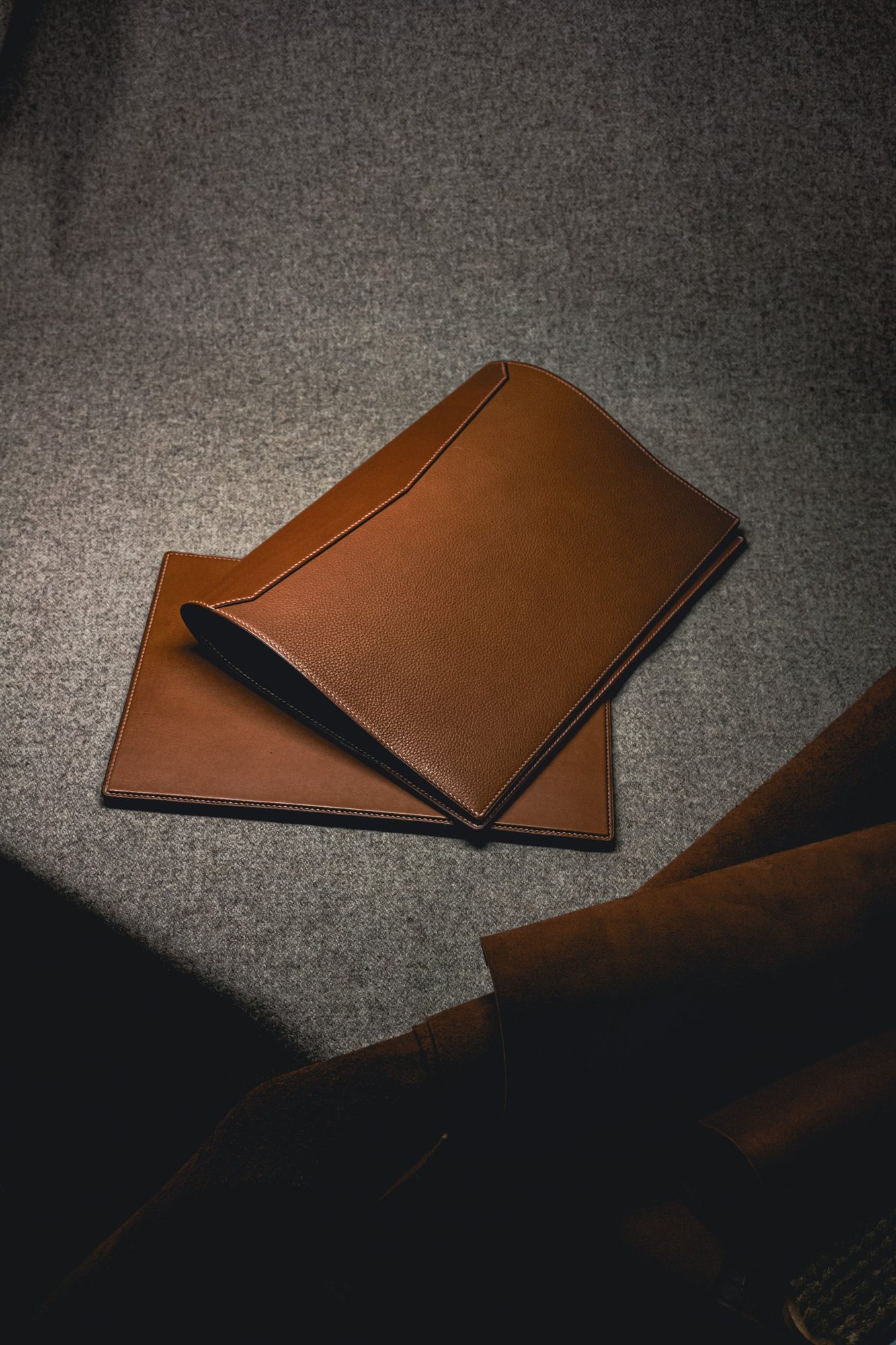
Notebook cover and writing pad
Notebook cover in gold oiled calfskin, grained and smooth finishes.
Brown suede goatskin interior.
Paired with its smooth oiled calfskin desk pad, magnetized on the back.
Entirely hand saddle-stitched.
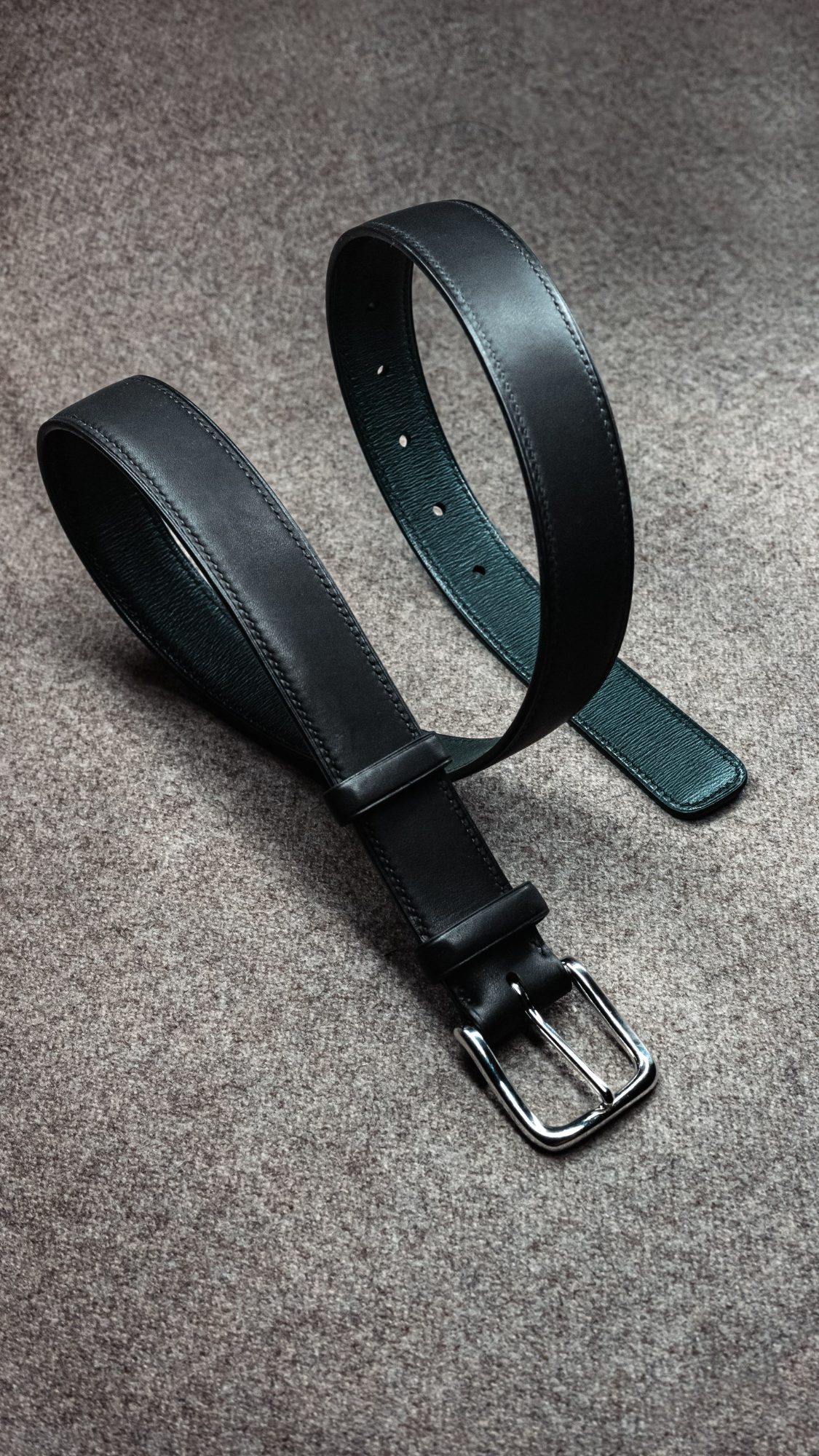
Black belt
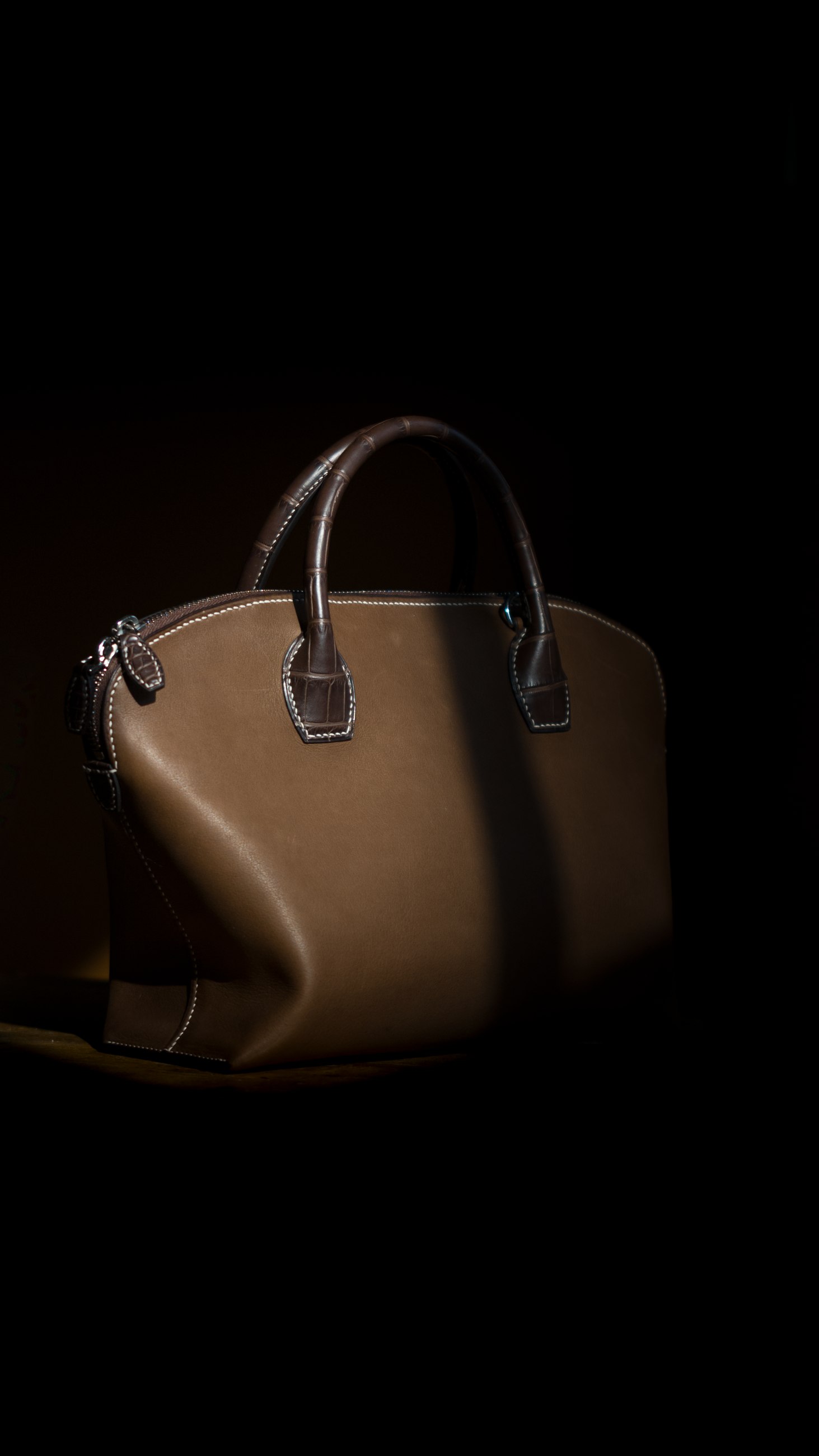
Handbag
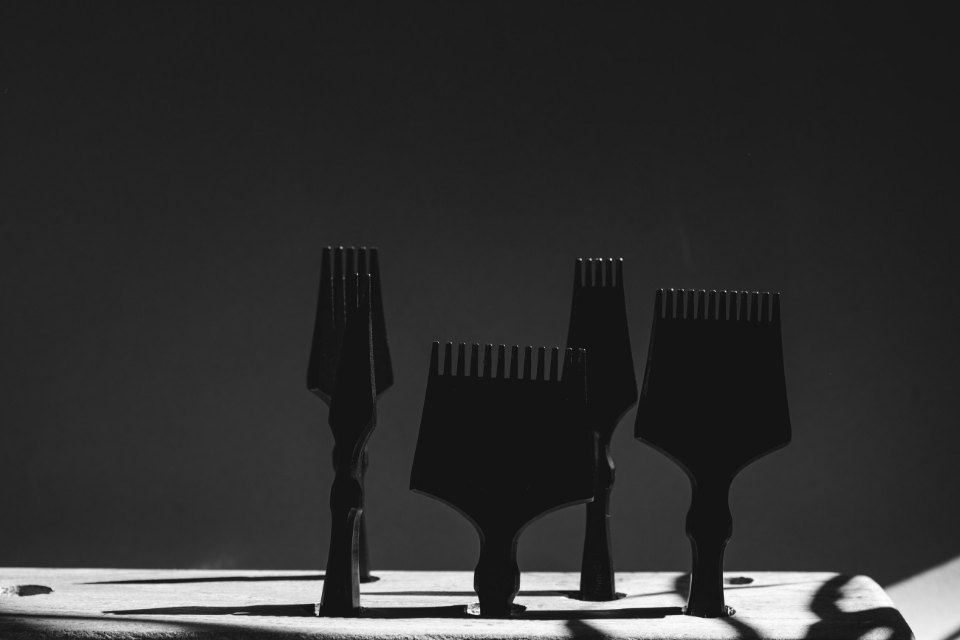
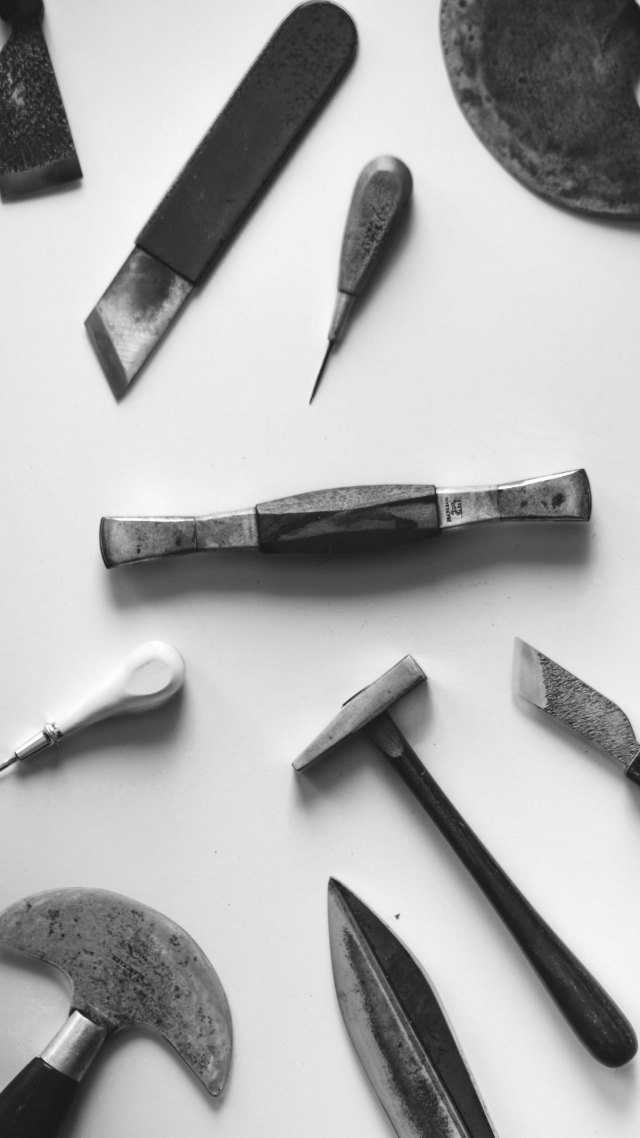
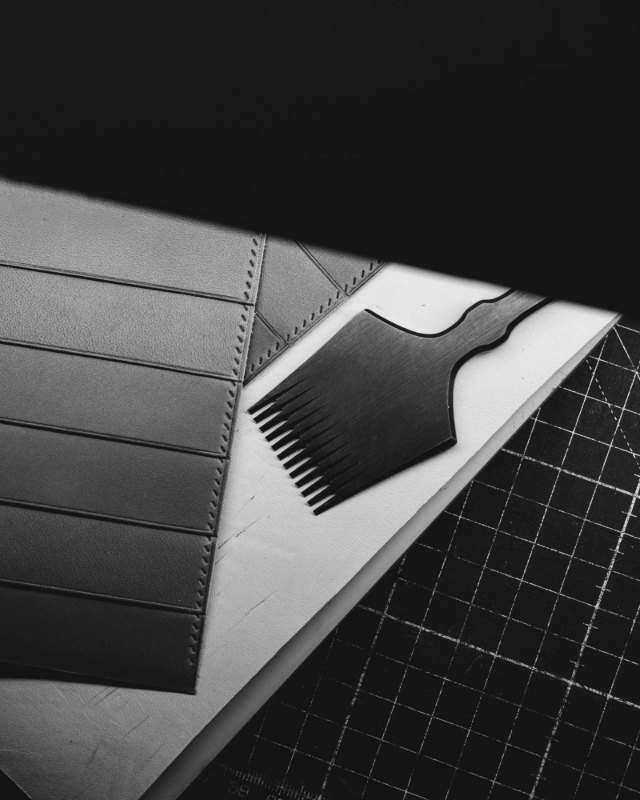
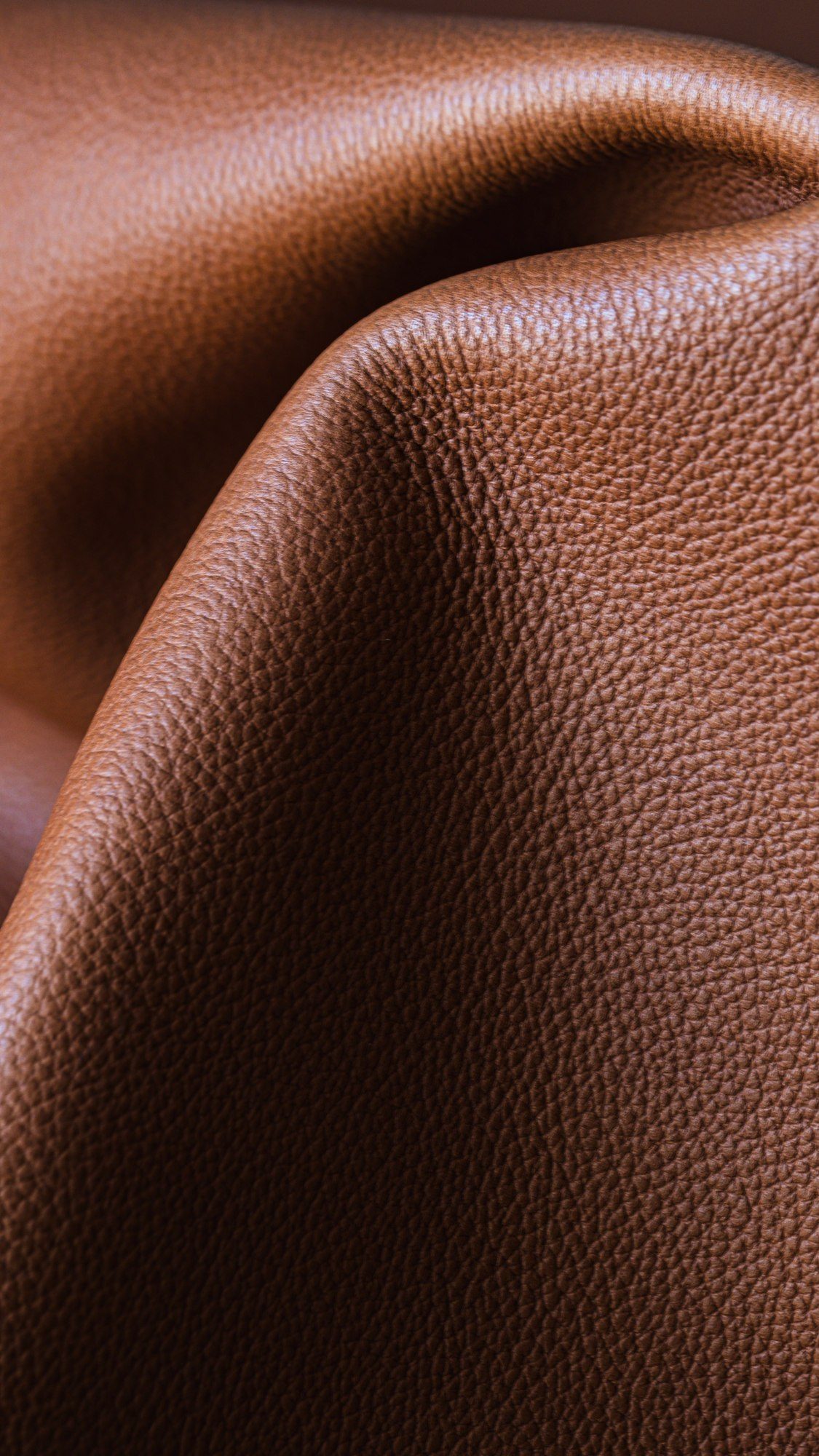
Oiled calfskin
Calfskin tanned using a combination of chrome and vegetable tannins, then enriched with oils and fats. This treatment gives it a soft, supple handle. Its smooth surface develops a patina with use, gradually changing in tone and lustre through handling and friction.
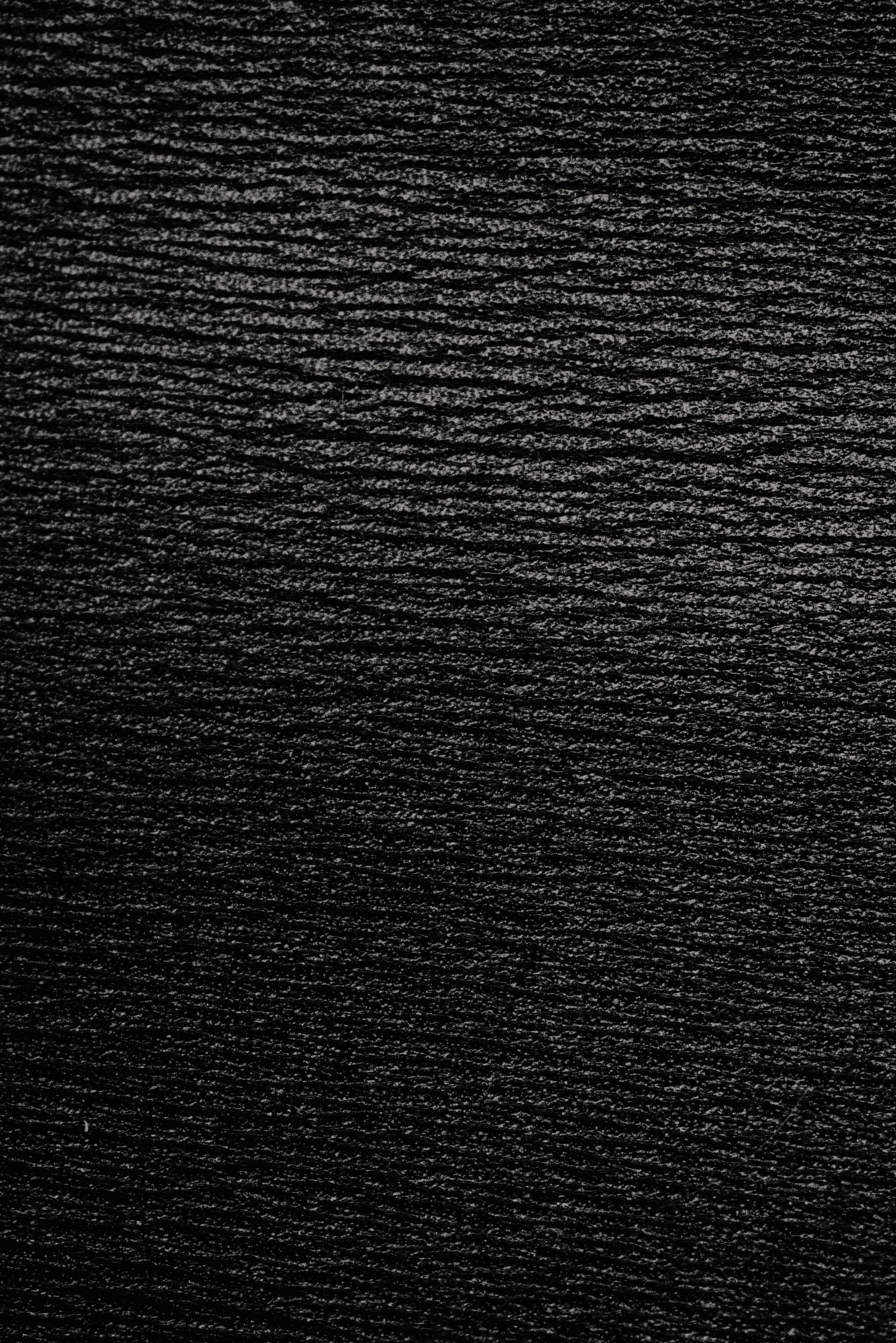
Box calf
Smooth calfskin, traditionally chrome-tanned, distinguished by its fine grain and satin to glossy sheen. Its surface can develop a higher lustre through polishing. The firmness of the leather varies with its preparation.
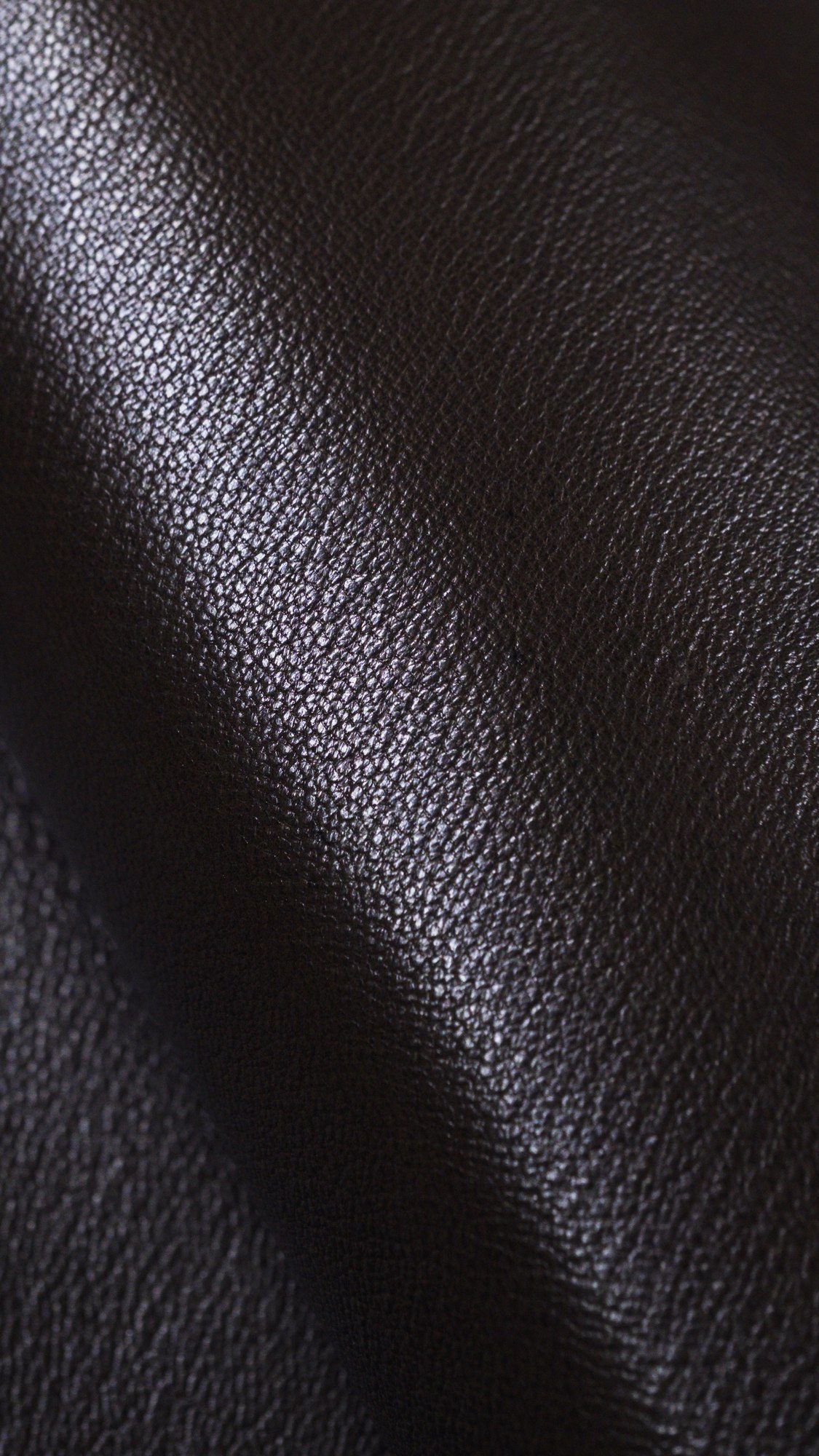
Hand-boarded goatskin
Vegetable-tanned goatskin whose grain is raised by hand boarding. This process produces a rounded, medium-sized texture. An aniline finish keeps the hide's natural variations visible, while the leather retains the supple feel associated with this traditional preparation.
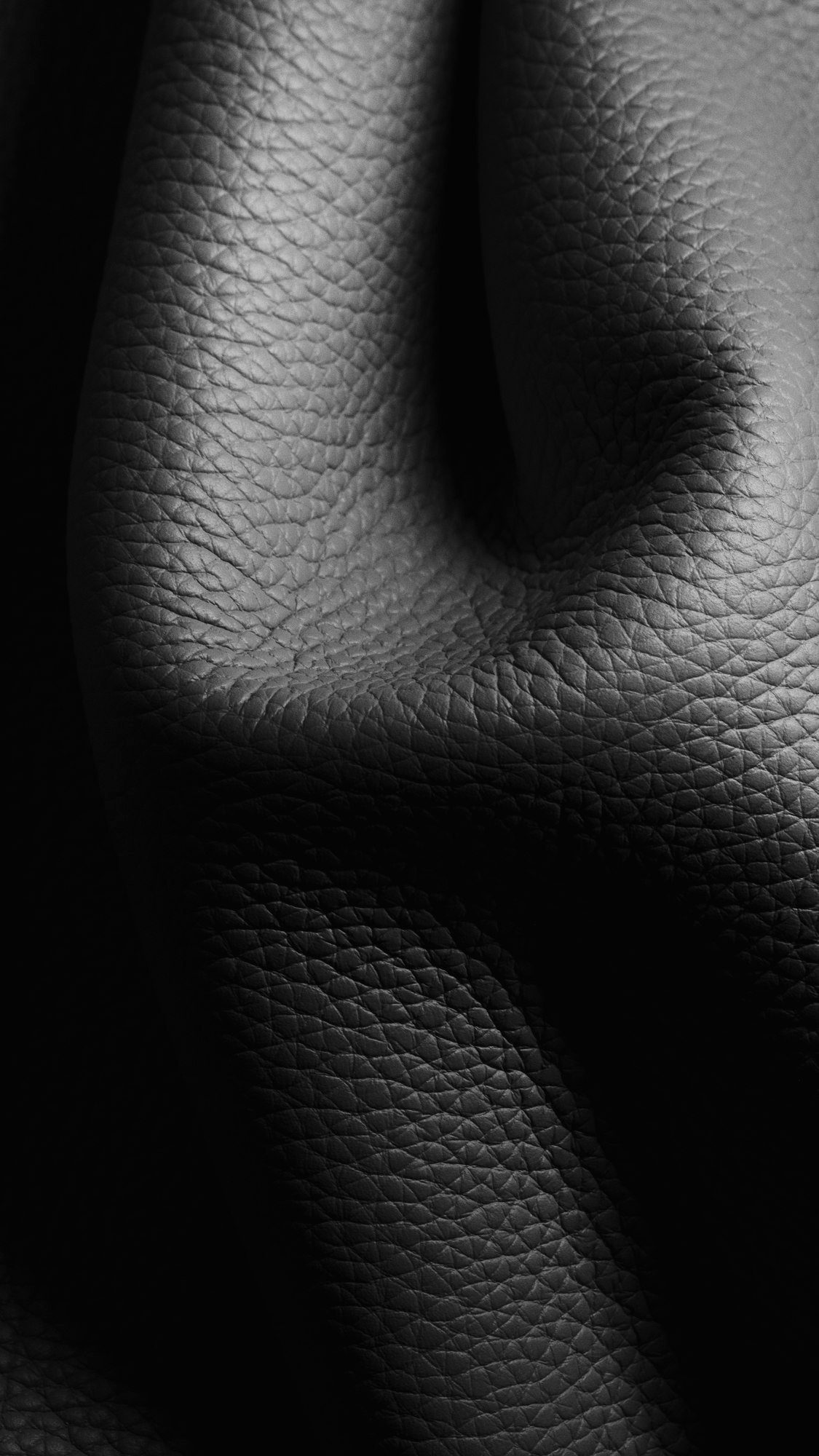
Grained young bull leather
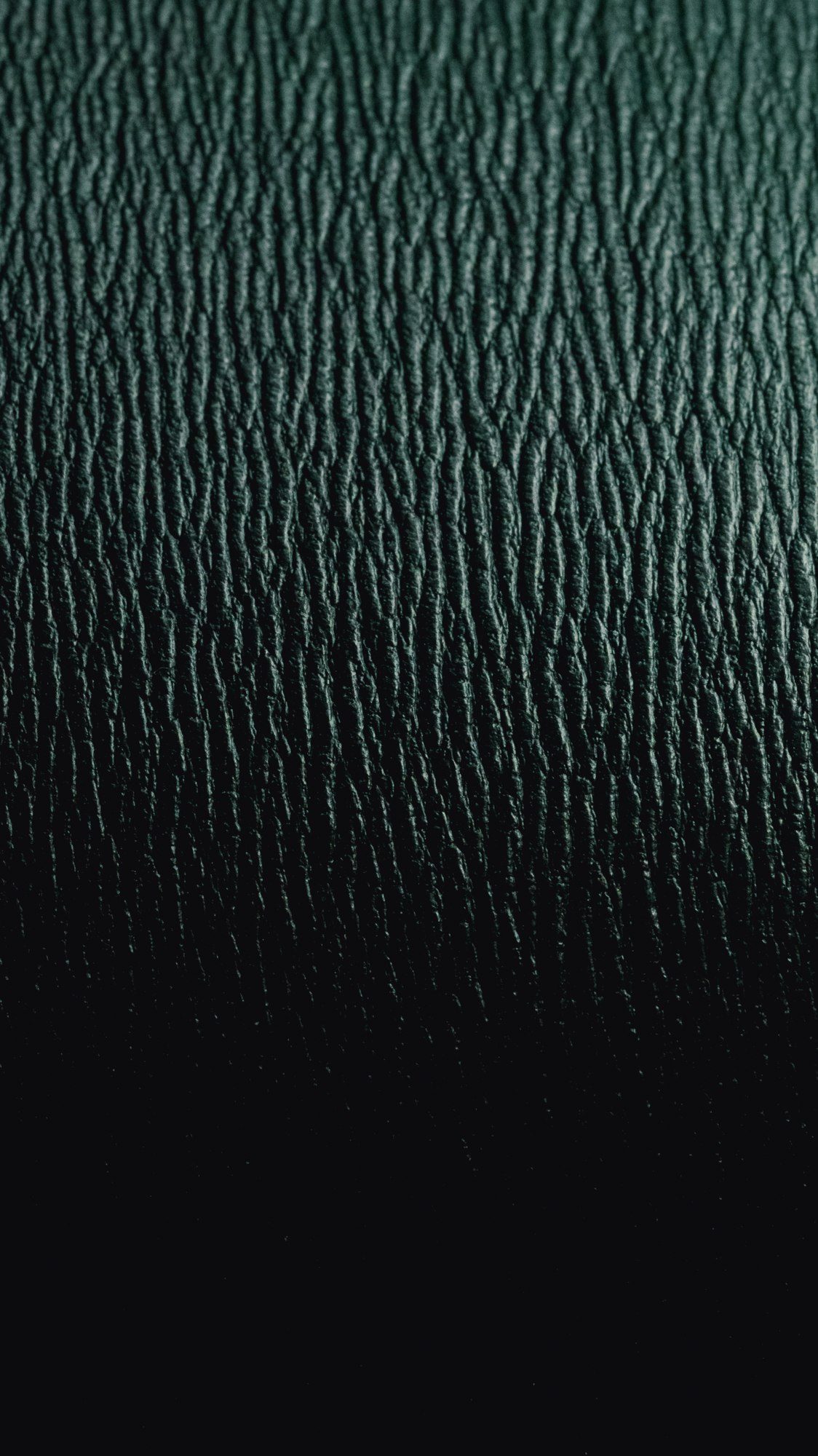
Long-grain goatskin
Goatskin with an elongated grain that gives the surface a distinct direction. The leather shown has a firm handle and a clearly defined texture. Its extended grain pattern distinguishes it from goatskins with a rounded grain.
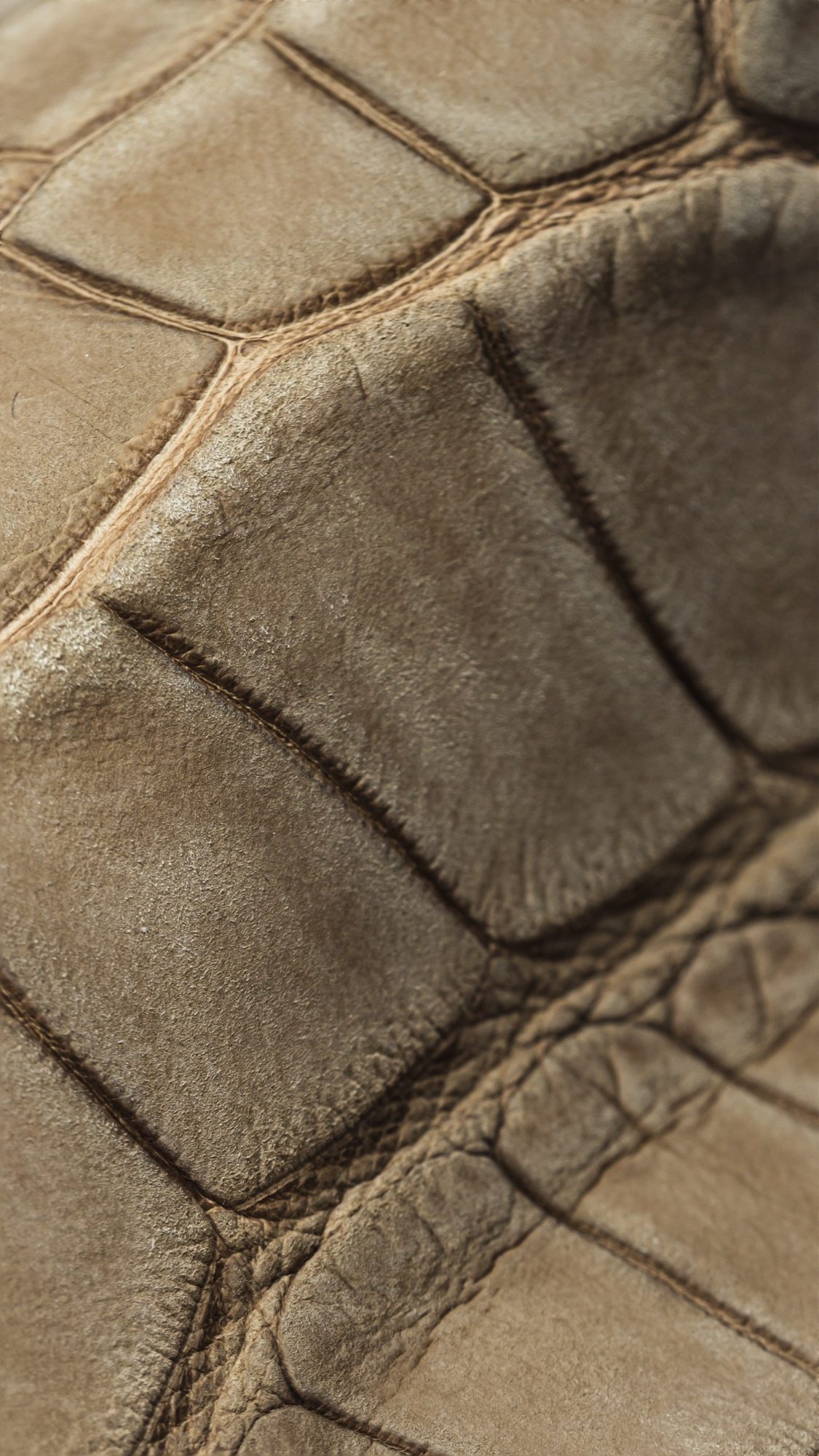
Nubuck alligator
Alligator leather lightly buffed on the grain side to create a velvety feel. The scale pattern remains visible beneath a short, matte nap. Changes in the direction of the nap alter the perceived colour, creating tonal variations as a hand passes over the surface.
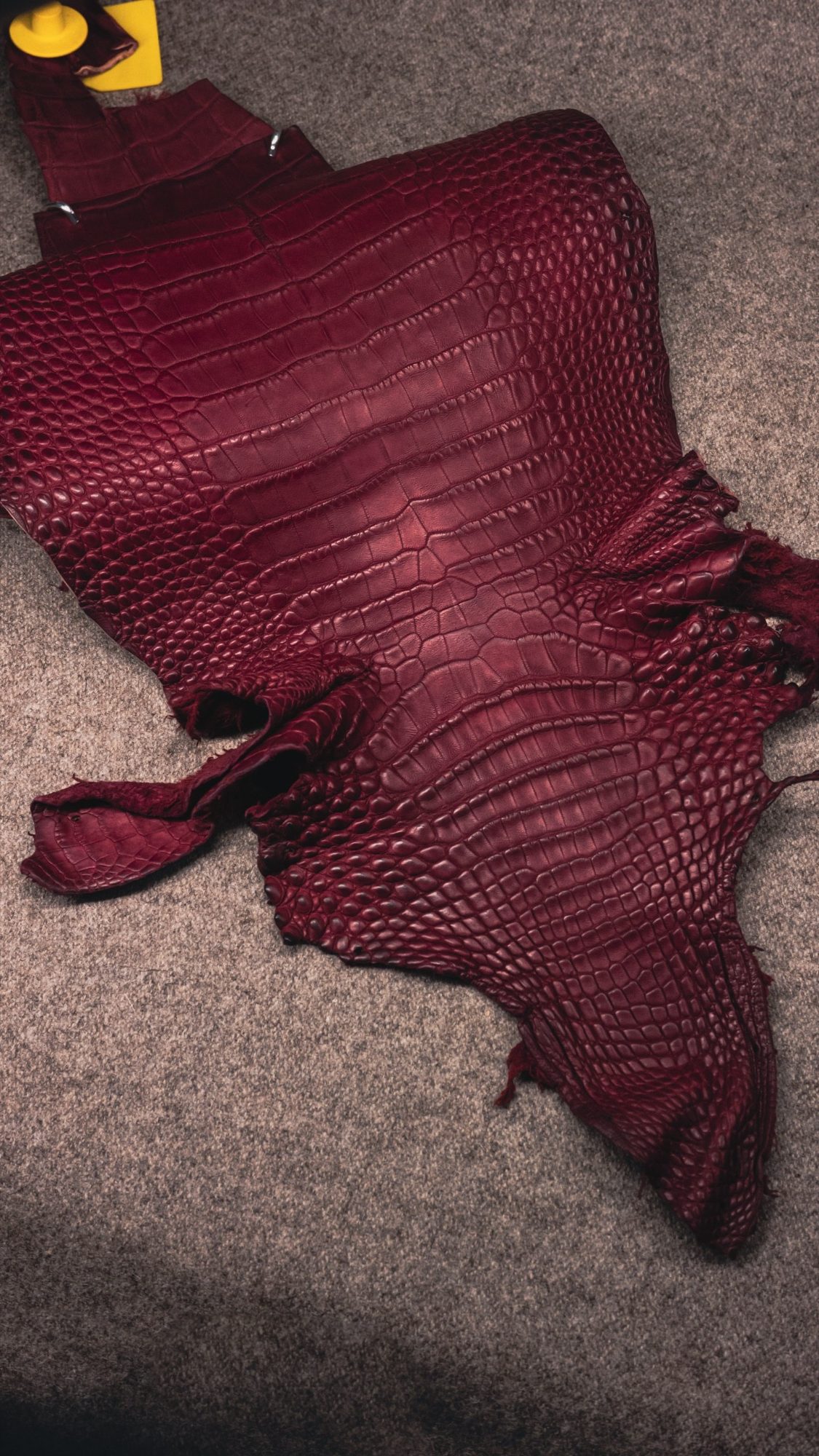
Alligator — conditioned finish
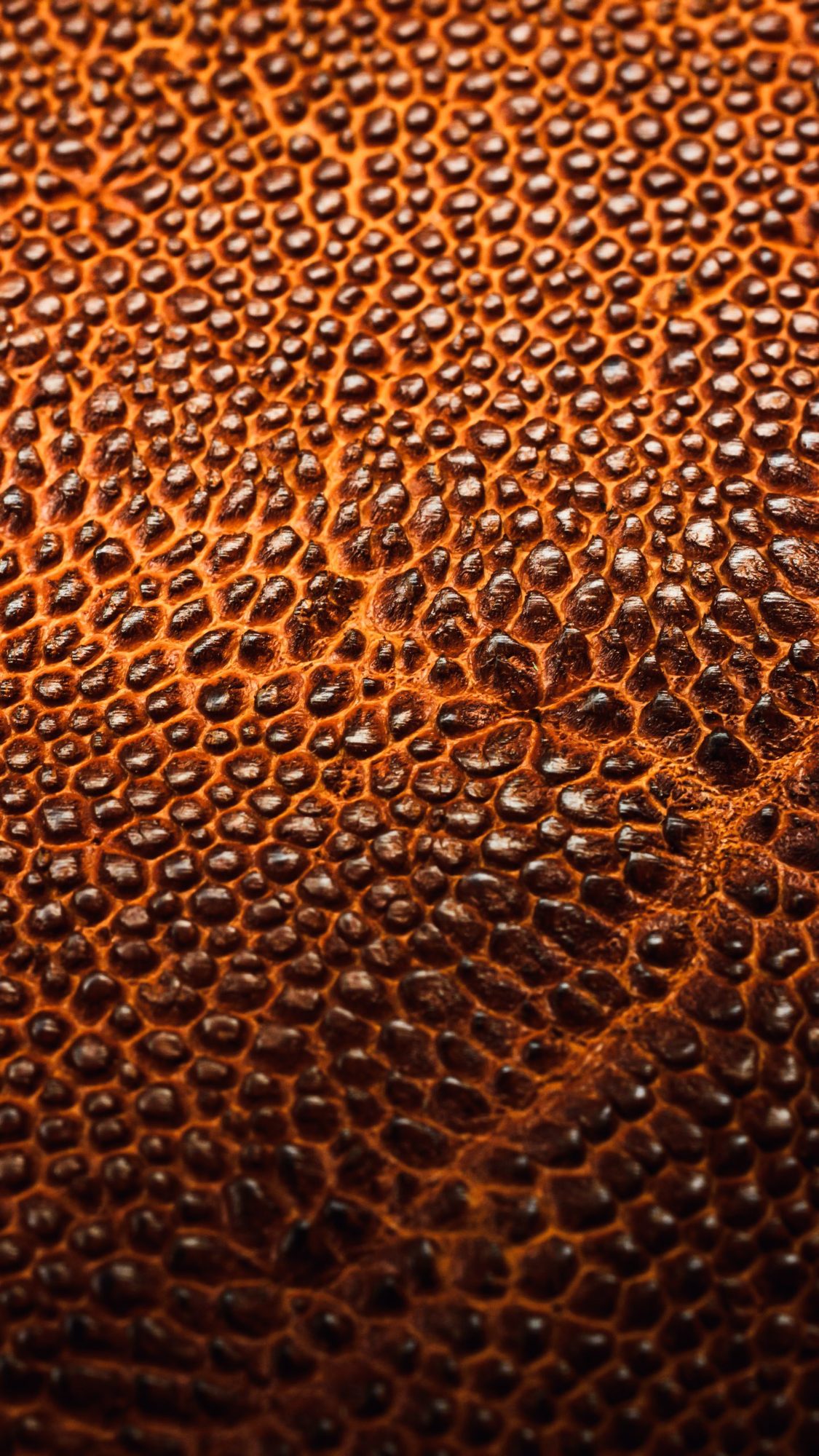
Elephant leather
A dense, irregular grain marked by natural creases. The matte finish brings its texture to the fore.
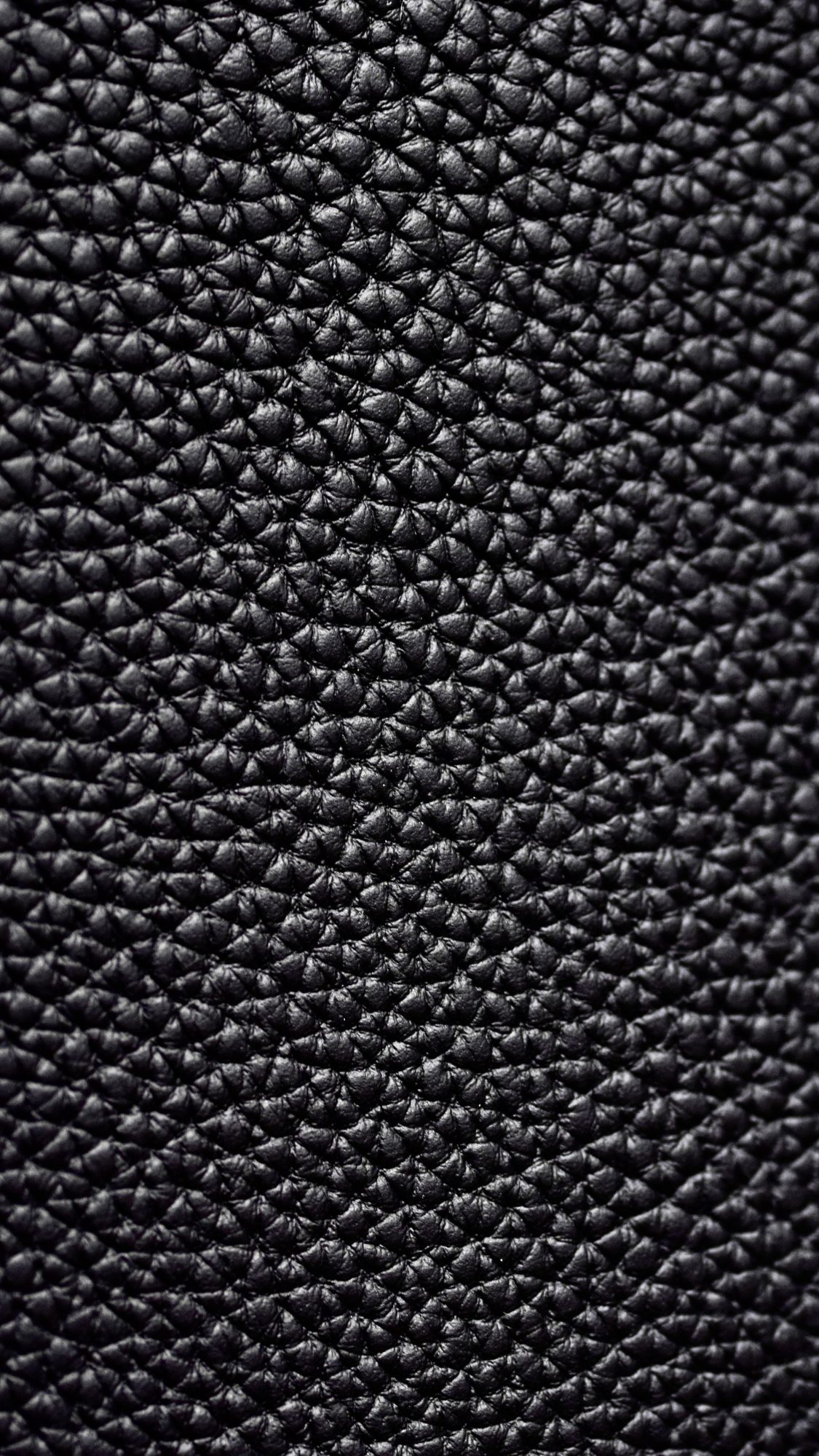
Shrunken calfskin
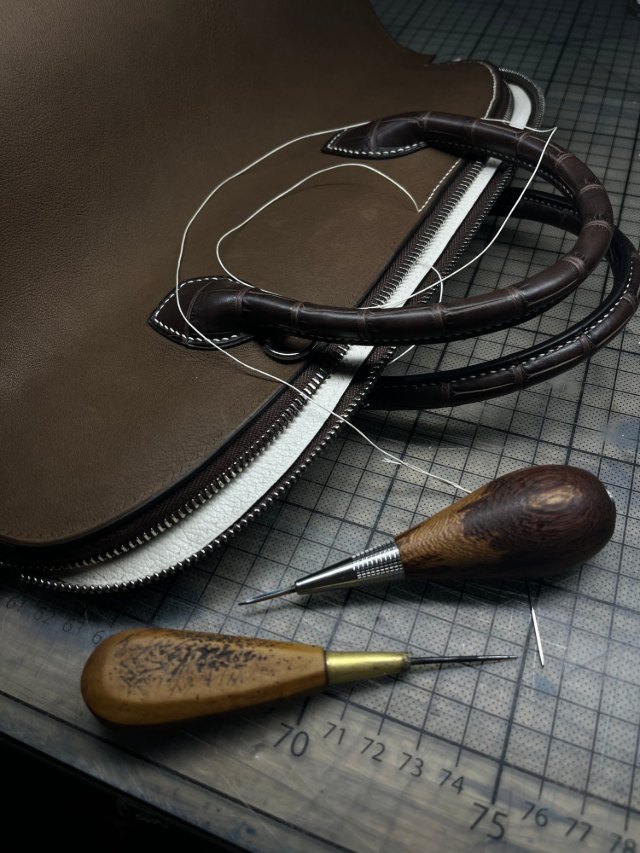
It was in Paris, in the workshop of a saddler and leather worker, that I was introduced to the craft, during my apprenticeship with the Compagnons du Devoir. There I learned what no book teaches and no object reveals at first glance. Finesse of execution lies in details of making inherited from the fine Parisian leather goods of the twentieth century, and the hand of a piece in the way its materials are combined.
During my training I worked briefly in production for major houses, and the experience convinced me that my place was elsewhere. I left the Compagnons to learn another way. I first worked on my own, taking apart old pieces of great quality, found here and there, to understand how they were made. A second Parisian craftsman was then willing to pass on what he knew, and corrected each of my attempts.
I have practised this craft since 2016. Those years have sharpened my eye and my technique, and taught me to consider a piece finished only when there is nothing left to rework.
I work to commission. Each piece begins with a conversation with the person it is meant for, about how they will use it and the materials that suit it. I then make it alone, from making the patterns to hand saddle-stitching.
The word luxury is used for so many things today that I prefer to do without it. What I offer is simpler: taking the time to listen, then the time to do things well.